Description
+ Include: videos + file sub vtt + pdf, size: GB
+ Target Audience: Palliative Care Specialists, Hospice Physicians, Medical Oncologists, Hematologists, Pain Medicine Specialists, Internists, Family Medicine Physicians, Geriatricians, Critical Care Physicians, and Hospitalists
+ Sample video: contact me for sample video
+ Information:
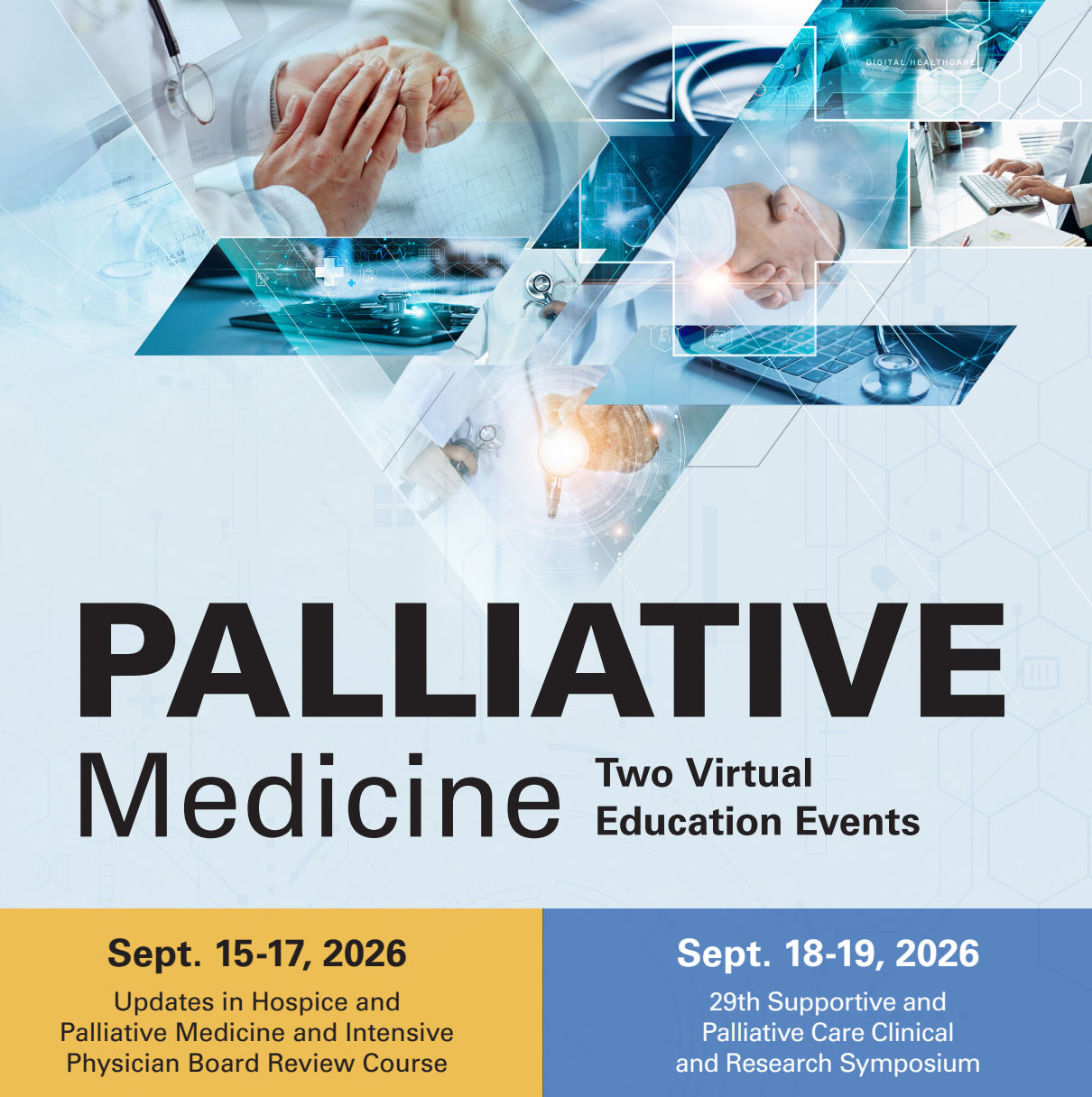
The Annual Interdisciplinary Conference on Supportive Care, Hospice and Palliative Medicine, presented by The University of Texas MD Anderson Cancer Center, is designed to present current, evidence-based practices in symptom management, supportive oncology, communication strategies, and interdisciplinary palliative care across the illness continuum. With increasing numbers of patients living with advanced and life-limiting illnesses, clinicians require up-to-date knowledge and practical skills to relieve suffering, manage complex physical and psychological symptoms, navigate ethically challenging clinical scenarios, and provide patient- and family-centered care. This comprehensive conference delivers dynamic lectures, interactive case discussions, and translational insights delivered by leading experts in palliative medicine, hospice, oncology, nursing, social work, chaplaincy, and clinical pharmacy.
Learning Objectives
At the conclusion of this activity, participants should be able to:
-
Apply evidence-based pharmacological and non-pharmacological strategies to assess and manage pain and complex non-pain symptoms (e.g., dyspnea, nausea, fatigue, delirium, and bowel dysfunction) in patients with advanced illnesses.
-
Demonstrate enhanced communication skills for conducting serious illness conversations, establishing goals of care, navigating prognostic disclosure, and addressing conflict in clinical decision-making.
-
Recognize and navigate complex ethical, legal, and spiritual challenges encountered in hospice and palliative medicine, including decision-making capacity, surrogate decisions, and end-of-life care transitions.
-
Integrate supportive care and palliative interventions early alongside active disease-directed treatments to optimize quality of life and clinical outcomes.
-
Utilize an interdisciplinary team-based approach to address physical, psychosocial, and spiritual suffering for diverse patient populations and their family caregivers.
Target Audience
This conference is intended for physicians, advanced practice providers (nurse practitioners and physician assistants), registered nurses, pharmacists, social workers, chaplains, psychologists, and other healthcare professionals involved in hospice, supportive care, palliative medicine, and oncology care.
Best for Palliative Care Specialists, Hospice Physicians, Medical Oncologists, Hematologists, Pain Medicine Specialists, Internists, Family Medicine Physicians, Geriatricians, Critical Care Physicians, and Hospitalists.
Topics
-
Pain Assessment & Advanced Analgesic Management
-
Cancer Pain Pathophysiology and Comprehensive Clinical Assessment
-
Opioid Initiation, Titration, Equianalgesic Conversion, and Rotation Strategies
-
Management of Opioid-Induced Neurotoxicity, Hyperalgesia, and Tolerance
-
Safe Opioid Prescribing, Risk Stratification, and Substance Use Disorder in Palliative Care
-
Adjuvant Analgesics in Neuropathic, Inflammatory, and Bone Pain
-
Interventional Pain Management Procedures (Nerve Blocks, Intrathecal Therapy) in Advanced Disease
-
-
Management of Non-Pain Symptoms
-
Clinical Assessment and Management of Cancer-Related Dyspnea and Respiratory Distress
-
Management of Refractory Nausea, Vomiting, and Malignant Bowel Obstruction (MBO)
-
Delirium at the End of Life: Assessment, Reversible Causes, and Palliative Sedation
-
Cancer-Related Fatigue, Anorexia-Cachexia Syndrome, and Nutritional Interventions
-
Palliative Management of Constipation and Opioid-Induced Constipation (OIC)
-
Sleep Disturbances, Anxiety, and Depression in Advanced Serious Illness
-
-
Communication, Goals of Care & Shared Decision-Making
-
Serious Illness Communication: Delivering Difficult News and Discussing Prognosis
-
Structuring Goals of Care Discussions and Advance Care Planning (ACP)
-
Navigating Discordance, Family Conflict, and Cultural Considerations in Decision-Making
-
Best Practices for Conducting Interdisciplinary Family Meetings
-
-
Ethics, Law & End-of-Life Care
-
Ethical Considerations in Withdrawing and Withholding Life-Sustaining Therapies
-
Indications, Protocol, and Monitoring for Palliative Sedation to Unconsciousness
-
Management of the Imminently Dying Patient: Terminal Secretions, Agitation, and Comfort Care
-
Care Transitions: Navigating Timely Hospice Referrals and Continuity of Care
-
-
Psychosocial, Spiritual & Caregiver Support
-
Addressing Existential Distress, Spiritual Suffering, and Dignity Therapy
-
Supporting Family Caregivers: Managing Burden, Burnout, and Anticipatory Grief
-
Bereavement Care: Identifying Complicated Grief and Support Strategies
-
Clinician Wellness, Compassion Fatigue, and Secondary Traumatic Stress Prevention
-


Reviews
There are no reviews yet.