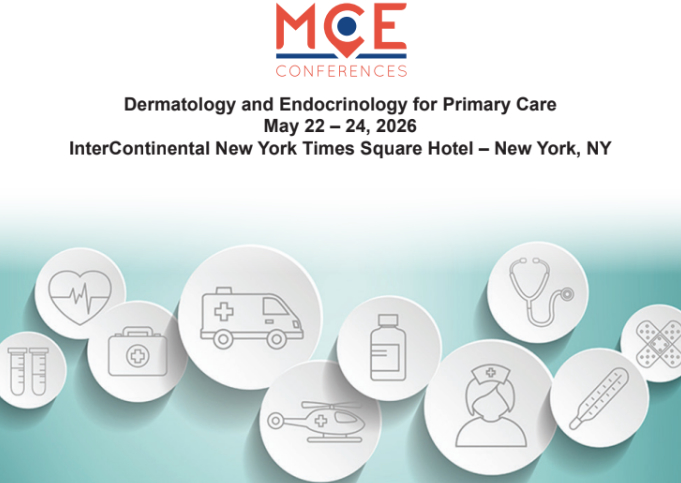
Description
+ Include: 3 videos + 3 audios + 3 file sub vtt + 19 pdfs, size: 1.42 GB
+ Target Audience: dermatologists, endocrinologists, primary care physicians
+ Sample video: contact me for sample video
+ Information:
1. Overview
This conference is designed to provide primary care practitioners with up-to-date, evidence-based information on commonly encountered issues in Dermatology and Endocrinology while suggesting pragmatic approaches to clinical management. The discussion-based format of the conference will encourage audience participation through dynamic lectures, case-based studies, and hands-on workshops. Keynote speakers will present and critically assess recent advancements and industry updates in Dermatology and Endocrinology to enhance the knowledge-base and core competence of attendees. The successful completion of this interactive program involves diagnosing, treating, and prescribing the most effective courses of treatment, with the ultimate goal of improving patient outcomes.
Course Dates: May 22, 2026 – May 24, 2026
2. Learning Objectives
-
Evaluate and formulate treatment plans for common dermatologic conditions, including rosacea, seborrheic dermatitis, and allergic skin eruptions.
-
Implement comprehensive, evidence-based management strategies for Type 2 Diabetes and evaluate complex endocrine cases in primary care.
-
Interpret abnormal thyroid function tests and determine appropriate imaging and follow-up protocols.
-
Assess and manage bone and mineral disorders, including hypercalcemia, primary hyperparathyroidism, and osteoporosis.
-
Perform practical dermatologic assessments and procedures, including dermoscopy, biopsies, and the identification and treatment of skin cancers.
3. Target Audience
Best for primary care practitioners who want evidence-based updates on managing type 2 diabetes, thyroid disorders, and common skin conditions.
All Physicians and other Healthcare Professionals seeking clinical information about issues in Dermatology and Endocrinology.
4. Topics
*Note: these are continuous video recordings during the conference, they include individual lectures mentioned in the Detail section below
-
Day 1
-
Day 2
-
Day 3
* Detail:
Friday, May 22nd
7:30 AM – 8:30 AM: Type 2 Diabetes: A Practical Comprehensive Approach for the Primary Care Practitioner
Objectives: 1) Distinguish type 1 from type 2 diabetes 2) Review basic pathophysiology of type 2 diabetes 3) Select the appropriate specific agents in the treatment of type 2 diabetes in order to target pathophysiologic defects
8:30 AM – 8:35 AM ~ BREAK
8:35 AM – 9:35 AM: Approach to Abnormal Thyroid Function Tests and Imaging
Objectives: 1) Identify and manage cases of hypothyroidism and hyperthyroidism 2) Review the approach to the management of a thyroid nodule
9:35 AM – 9:45 AM ~ BREAK
9:45 AM – 10:45 AM: Terminology of Skin Disorders [30 min]
Objectives: 1) Recognize the terms used to describe common skin lesions 2) Demonstrate the ability to communicate skin findings using appropriate terminology 3) Learn how to use terminology to assist in your practice
Rosacea [30 min]
Objectives: 1) Recognize different types of rosacea 2) Distinguish rosacea from other causes of red rashes on the face 3) Formulate treatment plans for rosacea
10:45 AM – 10:50 AM ~ BREAK
10:50 AM – 11:50 AM: Seborrheic Dermatitis [30 min]
Objectives: 1) Demonstrate the ability to diagnose the variable presentations of seborrhea 2) Discuss causes and exacerbating factors for seborrhea 3) Describe the most effective treatments for seborrhea
Overview of Wound Management [30 min]
Objectives: 1) Identify common causes of skin ulcers and pressure sores 2) Identify risk factors for complications from skin ulcers and pressure sores 3) Develop plans to treat and reduce recurrence of skin ulcers and pressure sores
Saturday, May 23rd
7:30 AM – 8:10 AM: Hair Disorders [40 min]
Objectives: 1) Recognize normal hair anatomy and physiologic changes in hair 2) Evaluate the chief complaint of hair loss 3) Utilize effective medical interventions for hair disorders, when appropriate
8:10 AM – 8:15 AM ~ BREAK
8:15 AM – 8:55 AM: Nail Disorders [40 min]
Objectives: 1) Recognize normal nail anatomy 2) Evaluate the chief complaint of abnormal appearing nails 3) Utilize medical and physical modalities in the management of nail disorders, as feasible
8:55 AM – 9:00 AM ~ BREAK
9:00 AM – 9:40 AM: Drug Eruptions and Other Allergic Skin Conditions [40 min]
Objectives: 1) Recognize different types of drug eruptions 2) Describe treatments for acute and chronic urticaria 3) Distinguish between erythema multiforme, Stevens-Johnson syndrome and toxic epidermal necrolysis
9:40 AM – 9:45 AM ~ BREAK
9:45 AM – 10:45 AM: Workup and Treatment of Hypercalcemia, Including Primary Hyperparathyroidism
Objectives: 1) Discuss the workup of PTH and non-PTH-mediated causes of hypercalcemia 2) Review the indications for parathyroid surgery 3) Highlight unusual causes of hypercalcemia
10:45 AM – 10:50 AM ~ BREAK
10:50 AM – 11:50 AM: Hypogonadism: Fact or Fiction?
Objectives: 1) Identify cases of testosterone deficiency 2) Review the workup and treatment of hypogonadism
Sunday, May 24th
7:30 AM – 8:30 AM: Present Your Difficult Endocrine Cases
Objectives: 1) Review approaches to difficult case presentations in endocrinology 2) Utilize endocrine physiology to diagnose and manage difficult and rare presentations of endocrine diseases
8:30 AM – 8:35 AM ~ BREAK
8:35 AM – 9:35 AM: Osteoporosis Update: Diagnosis and Treatment
Objectives: 1) Review the approach to the diagnosis of osteoporosis 2) Appropriately select and use therapeutic agents 3) Recognize the proper sequence of agents to treat osteoporosis
9:35 AM – 9:45 AM ~ BREAK
9:45 AM – 10:45 AM: Introduction to Dermoscopy [20 min]
Objectives: 1) Recognize basic dermoscopy patterns 2) Be aware of two different approaches to dermoscopy diagnosis
Skin Cancer Exams, Treatments, and Prevention in this New Era [40 min]
Objectives: 1) Perform a screening skin examination to detect precancerous and cancerous skin lesions 2) Make recommendations to reduce the likelihood of additional precancerous and cancerous skin lesions 3) Choose at least two appropriate treatments for precancerous skin lesions
10:45 AM – 10:50 AM ~ BREAK
10:50 AM – 11:50 AM: When and How to Cut, Freeze, Burn and Repair
Objectives: 1) Identify indications for skin biopsies and excisions 2) Identify appropriate surgical techniques for skin biopsies and basic repairs 3) Indicate lesions appropriate for cryosurgical and electrosurgical treatment
Please Note: Content is subject to change without notice. Please refer to this activity website for the most current information.



Reviews
There are no reviews yet.