Description
+ Include: videos + file sub vtt + pdf, size: GB
+ Target Audience: Primary Care Physicians, Cardiologists, and Emergency Medicine Physicians
+ Sample video: contact me for sample video
+ Information:
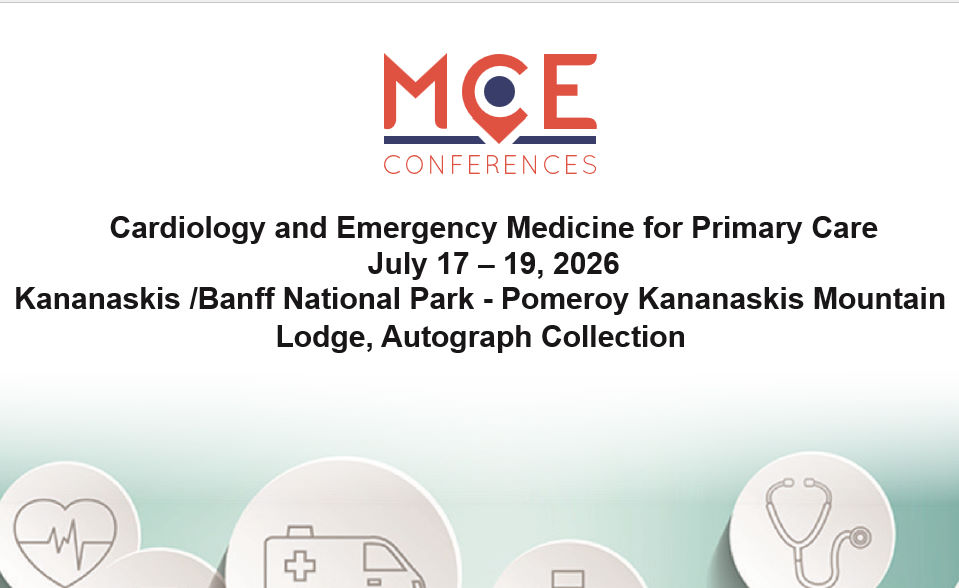
The “Cardiology and Emergency Medicine for Primary Care” conference is a continuing medical education event scheduled for July 17-19, 2026, at the Pomeroy Kananaskis Mountain Lodge, Autograph Collection, in Kananaskis/Banff National Park. This conference is designed to provide primary care practitioners with up-to-date, evidence-based information on commonly encountered issues in Cardiology and Emergency Medicine, while suggesting pragmatic approaches to clinical management. The discussion-based format encourages audience participation through dynamic lectures, case-based studies, and hands-on workshops, with the ultimate goal of improving patient outcomes through effective diagnosis and treatment.
Learning Objectives
Upon completion of this program, participants should be better able to:
-
Discuss the pathophysiology of essential hypertension, outline a treatment approach based on pathophysiologic principles, and appreciate the role of the renin-angiotensin and aldosterone system.
-
Review the definition of resistant hypertension, outline common causes of secondary hypertension, and suggest reasonable patient evaluations.
-
Discuss worrisome causes of sore throat, updates in epistaxis management, and recognize concerning dental infections.
-
Recognize typical and atypical ECG findings for ACS, as well as other ECG diagnoses requiring further workup or ED referral.
-
Discuss presentations of emergent spinal, vascular, and infectious causes of neck and back pain, recognizing important history and physical elements to avoid missed diagnoses.
-
Describe subtle presentations of abdominal emergencies, underline important exam findings, and illustrate diagnostic challenges in the elderly.
-
Review indications for anticoagulation in atrial fibrillation, understand the use and bleeding risks of novel anticoagulants, and outline a rational treatment approach.
-
Review PCSK9 therapy and newer hyperlipidemia medications, discuss the role of risk in determining therapy, and outline management algorithms for combination therapy.
-
Review guideline-directed medical therapy for heart failure, outline practical approaches for RAS and beta-blockers, and discuss the role of BNP.
-
Discuss the prevalence, presentation, and management of microvascular coronary artery disease and spontaneous coronary artery dissection.
-
Identify when hyperglycemic patients require ED referral, differentiate DKA and HHS from simple hyperglycemia, and diagnose and manage hypoglycemia.
-
Identify emergent conditions presenting with syncope, recognize ECG findings warranting ED referral, and discuss the utility of orthostatic vital signs.
Target Audience
- All Physicians and other Healthcare Professionals seeking clinical information about issues in Cardiology and Emergency Medicine.
- Best for Primary Care Physicians, Cardiologists, and Emergency Medicine Physicians.
Topics
-
Approach to the Treatment of Essential Hypertension: Discuss the underlying pathophysiology of essential hypertension; Outline a reasonable treatment approach to essential hypertension based on pathophysiologic principles; Appreciate the role of the renin-angiotensin and aldosterone system in control of blood pressure.
-
Resistant Hypertension: Review the definition of resistant hypertension; Outline the common causes of secondary hypertension; Suggest a reasonable evaluation for patients with resistant hypertension.
-
Nightmare ENT Emergencies: Discuss worrisome causes of sore throat that may present to a clinic; Discuss updates in the management of epistaxis; Recognize when to worry about dental infections.
-
Subtle ECG Findings You Can’t Miss!: Discuss typical and atypical ECG findings for ACS; Discuss other ECG diagnoses that need further workup or referral to the emergency department.
-
Deadly Neck and Back Pain You Don’t Want to Miss: Discuss presentations of emergent spinal, vascular, and infectious causes of neck and back pain; Recognize important history and physical elements in order to minimize missing emergent causes of neck and back pain.
-
Deadly Abdominal Disasters: Describe subtle presentations of abdominal emergencies; Underline important history and physical exam findings in abdominal emergencies; Illustrate the diagnostic challenges in the elderly with abdominal pain.
-
Atrial Fibrillation and the New Anticoagulants: Review the indications for anticoagulation for patients with atrial fibrillation; Develop a deeper understanding of the use of new novel anticoagulants and their bleeding risks; Outline a rational approach to the treatment of atrial fibrillation.
-
Novel Lipid-Lowering Agents Beyond Statin: Review PCSK9 therapy and newer medications for the treatment of hyperlipidemia; Discuss the role of risk in determining hyperlipidemia therapy; Outline management algorithms to determine when to use combination therapy for hyperlipidemia.
-
Approach to the Management of Heart Failure: Review guideline-directed medical therapy for patients with heart failure; Outline a practical approach for the optimal use of RAS blockers and beta blockers in heart failure; Discuss the role of BNP as a guide to optimal heart failure therapy.
-
Microvascular Coronary Artery Disease: Discuss the prevalence and presentation of microvascular coronary artery disease; Review the presentation and management of spontaneous coronary artery dissection; Outline a treatment management plan for patients with microvascular disease.
-
Pour Some Sugar on Me: Diabetic Emergencies: Identify when hyperglycemic patients require referral to the emergency department; Differentiate diabetic ketoacidosis (DKA) and hyperosmolar hyperglycemic state (HHS) from simple hyperglycemia using updated diagnostic criteria; Diagnose and manage hypoglycemia.
-
Syncope Killers You Need to Know!: Identify emergent conditions that can present with syncope; Recognize ECG findings for syncope that warrant emergency department referral; Discuss the utility of orthostatic vital signs in syncope.


Reviews
There are no reviews yet.