Description
+ Include: videos + file sub vtt + pdf, size: GB
+ Target Audience: internists, hospitalists, primary care physicians, gastroenterologists, hepatologists, oncologists, geriatricians, and obstetricians/gynecologists
+ Sample video: contact me for sample video
+ Information:
1. Overview
The Comprehensive 2026 Gastroenterology Update
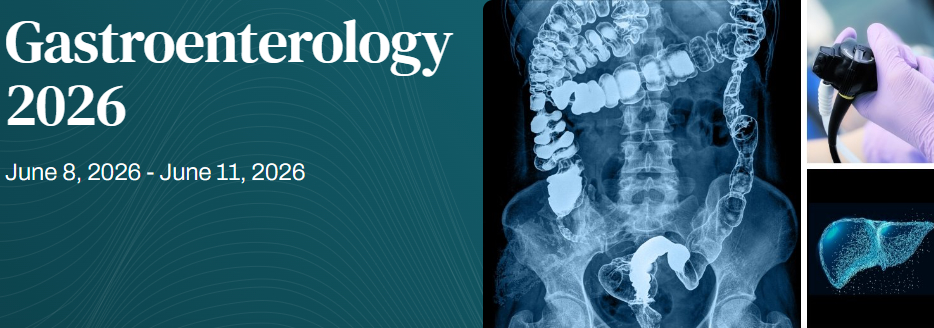
Gastroenterology 2026 is a live online course, using live streaming, electronic Q&A, and other remote learning technologies.
This program ensures participants are current with state-of-the-art GI strategies and clinical practices. It covers recent advances and their impact on clinical approaches and on patient outcomes. Updates, best practices, and new guidelines are presented by nationally recognized GI experts and master clinicians.
Practical, Results-Driven Education
Highlights of the 2026 program include:
- The newest guidelines for the use of biologics in IBD
- Therapeutic drug monitoring in IBD treatment
- Management of the older adult with IBD
- Updated guidelines for treatment of C. difficile infection
- Managing GI complications of immunotherapy and anti-neoplastic therapies
- Improved management of IBS
- Tips for managing fecal incontinence
- Management of refractory GERD
- Optimal surveillance in hereditary GI cancer syndromes
- Current treatment of H. pylori
- Updated treatment of HBV and HCV
- Management of steatotic liver disease in 2026
- How to diagnose and manage cirrhosis
- How to improve your adenoma detection rate (ADR)
- Steps to ensure delivery of high-quality colonoscopic care
- Techniques to effectively control acute GI bleeding
- Endoscopic management of obesity
- When FMT is indicated for treatment
- New strategies to treat common GI problems
- A comprehensive update of national guidelines
As new strategies, guidelines, and diagnostic and treatment options are presented, they are coupled with specific recommendations for incorporating these updates into your day-to-day work.
Education to Optimize Your Patient Outcomes
The evidence-based recommendations provided in this program cover strategies to improve care and outcomes for patients with:
- IBD
- GI complications of immunotherapy
- Microscopic colitis
- Steatotic liver disease
- Barrett’s esophagus
- Eosinophilic esophagitis
- C. difficile colitis
- H. pylori infection
- Alcohol-related liver disease
- Autoimmune hepatitis
- IBS
- Refractory GERD
- Acute pancreatitis
- Chronic pancreatitis
- Celiac disease
- GI bleeding
- High risk for colorectal cancer
Recent Advances and Innovations
Clinicians can rely on this program for education on:
- Biological therapies for IBD: how to choose which agent to start with? How to monitor during treatment? What is the role for therapeutic drug monitoring? When to switch? What new agents are now available?
- GI complications of immunotherapy — a common and heterogeneous disorder: how to approach and treat effectively?
- Eosinophilic esophagitis: how to decide between drug therapy and dietary therapy?
- The stool microbiome: understanding the science behind clinical applications
- Celiac disease: making sense of the multiple serologic tests—new therapeutic strategies are on the horizon
- Adenoma detection rates: critical to measure and how to incorporate strategies, including AI, to increase your rate
- Endoscopic approaches to managing obesity
- Updated treatments for HBV and HCV
This program also offers a glimpse into the future of gastroenterology with engaging lectures given by world-renowned experts on inspiring and cutting-edge topics.
2. Learning Objectives Upon completion of this course, participants will be able to:
-
Interpret major advances in the field of gastroenterology.
-
Incorporate the most up-to-date diagnostic approaches to GI disorders.
-
Identify therapeutic options for GI disorders in an evidence-based manner.
-
Manage patients with both common and rare GI disorders using established guidelines.
3. Target Audience Who Should Participate:
-
Gastroenterologists
-
Internists
-
Hospitalists
-
Surgeons
-
Nurse Practitioners
-
Physician Assistants …and other medical professionals seeking a comprehensive update in Gastroenterology.
Best for internists, hospitalists, primary care physicians, gastroenterologists, hepatologists, oncologists, geriatricians, and obstetricians/gynecologists.
4. Topics
Monday, June 8, 2026
Welcome
Dr. Daniel Chung
8:25-8:30 am
Which Initial Therapy to Choose in Crohn’s Disease?
Dr. Joshua Korzenik
8:30-9:10 am
Which Initial Therapy to Choose in Ulcerative Colitis?
Dr. Ashwin Ananthakrishnan
9:10-9:50 am
Putting It Together: Illustrative IBD Case Presentations
Dr. Kristin Burke
9:50-10:20 am
Panel Q&A
Drs. Ashwin Ananthakrishnan, Joshua Korzenik, and Kristin Burke
10:20-10:35 am
Break
10:35-10:50 am
Management of the Older Adult with IBD
Dr. Bharati Kochar
10:50-11:15 am
IBD in Pregnancy
Dr. Loren Rabinowitz
11:15-11:40 am
Therapeutic Drug Monitoring in IBD
Dr. Adam Cheifetz
11:40 am-12:15 pm
Panel Q&A
Drs. Adam Cheifetz, Bharati Kochar, and Loren Rabinowitz
12:15-12:30 pm
Break
12:30-1:30 pm
How to Manage Microscopic Colitis
Dr. Hamed Khalili
1:30-2:00 pm
GI Complications of Immunotherapy
Dr. Michael Dougan
2:00-2:30 pm
GI Complications of Antineoplastic Therapy
Dr. Shilpa Grover
2:30-3:00 pm
Panel Q&A
Drs. Michael Dougan, Hamed Khalili, and Shilpa Grover
3:00-3:15 pm
Break
3:15-3:30 pm
High-Risk Cancer Surveillance in GI Cancer Syndromes
Dr. Daniel Chung
3:30-4:00 pm
CRC Screening and How to Improve Your ADR
Dr. Ramona Lim
4:00-4:30 pm
Beyond Screening: What to Recommend to Reduce Colorectal Cancer Risk
Dr. Andrew Chan
4:30-5:00 pm
Panel Q&A
Drs. Daniel Chung, Ramona Lim, and Andrew Chan
5:00-5:15 pm
Tuesday, June 9, 2026
Barrett’s Esophagus: Whom and How to Treat?
Dr. Douglas Pleskow
8:30-9:10 am
Esophageal Motility Disorders Made Easy
Dr. Barbara Nath
9:10-9:40 am
Management of Refractory GERD
Dr. Norman Nishioka
9:40-10:10 am
Panel Q&A
Drs. Douglas Pleskow, Barbara Nath, and Norman Nishioka
10:10-10:25 am
Break
10:25-10:40 am
Comprehensive Approach to Eosinophilic Esophagitis
Dr. Walter Chan
10:40-11:20 am
Celiac Disease and Gluten Sensitivity: 2026 Practitioner Updates
Dr. Ciaran Kelly
11:20 am-12:05 pm
Panel Q&A
Drs. Walter Chan and Ciaran Kelly
12:05-12:20 pm
Break
12:20-1:30 pm
Making the Diagnosis of IBS
Dr. Kyle Staller
1:30-2:00 pm
Modern Strategies to Treat IBS
Dr. Vikram Rangan
2:00-2:30 pm
Tips to Managing Fecal Incontinence
Dr. Kyle Staller
2:30-2:50 pm
Panel Q&A
Drs. Kyle Staller and Vikram Rangan
2:50-3:05 pm
Break
3:05-3:25 pm
Optimizing the Management of Gastroparesis
Dr. Trisha Pasricha
3:25-3:55 pm
How to Evaluate Small Intestinal Bacterial Overgrowth
Dr. Judy Nee
3:55-4:25 pm
Panel Q&A
Drs. Judy Nee and Trisha Pasricha
4:25-4:40 pm
Wednesday, June 10, 2026
Cholestatic Liver Diseases: What’s New in PBC and PSC
Dr. Daniel Pratt
8:30-9:00 am
Update on Autoimmune Hepatitis
Dr. Alan Bonder
9:00-9:30 am
Current Approaches to the Treatment of HBV and HCV
Dr. Michael Curry
9:30-10:00 am
Panel Q&A
Drs. Daniel Pratt, Alan Bonder, and Michael Curry
10:00-10:15 am
Break
10:15-10:30 am
Alcohol-Associated Liver Disease
Dr. Gyongyi Szabo
10:30-11:10 am
The Management of MASLD
Dr. Kathleen Corey
11:10-11:40 am
Panel Q&A
Drs. Gyongyi Szabo and Kathleen Corey
11:40-11:55 am
Break
11:55 am-1:00 pm
How to Workup a Liver Lesion
Dr. Karin Andersson
1:00-1:30 pm
Diagnosis and Routine Management of Cirrhosis
Dr. Michelle Lai
1:30-2:00 pm
Managing Advanced Liver Disease
Dr. Anna Rutherford
2:00-2:40 pm
Panel Q&A
Drs. Anna Rutherford and Karin Andersson
2:40-3:00 pm
Break
3:00-3:15 pm
Best Management Strategies in Acute Pancreatitis
Dr. David Jin
3:15-3:45 pm
Updates in Chronic Pancreatitis
Dr. Sunil Sheth
3:45-4:20 pm
Controversies in the Management of Cystic Lesions of the Pancreas
Dr. Carlos Fernandez-del Castillo
4:20-4:50 pm
Panel Q&A
Drs. David Jin, Sunil Sheth, and Carlos Fernandez-del Castillo
4:50-5:05 pm
Thursday, June 11, 2026
Tips to Removing the Difficult Colon Polyp
Dr. Tyler Berzin
8:30-9:10 am
Quality in Colonoscopy: What to Measure and Why It Matters
Dr. Mandeep Sawhney
9:10-9:40 am
Endoscopy and the Anticoagulated Patient
Dr. Kunal Jajoo
9:40-10:10 am
Panel Q&A
Drs. Tyler Berzin, Mandeep Sawhney, and Kunal Jajoo
10:10-10:25 am
Break
10:25-10:40 am
Acute GI Bleeding and Other GI Emergencies
Dr. Linda Lee
10:40-11:20 am
Advances in Endoscopic Surgery for Foregut Disorders
Dr. Kumar Krishnan
11:20-11:50 am
Endoscopic Approaches to Manage Obesity
Dr. Christopher Thompson
11:50 am-12:20 pm
Panel Q&A
Drs. Christopher Thompson, Kumar Krishnan, and Linda Lee
12:20-12:35 pm
Break
12:35-1:45 pm
What’s New in C. Difficile Colitis
Dr. Jessica Allegretti
1:45-2:15 pm
Q&A with Dr. Allegretti
2:15-2:30 pm
New Insights into the Gut Microbiome and Disease
Dr. Ramnik Xavier
2:30-3:00 pm
Current Approach to Diagnosis and Treatment of Helicobacter pylori
Dr. Jay Luther
3:00-3:30 pm
GI Cases to Remember
Dr. Douglas Horst
3:30-4:00 pm
Panel Q&A
Drs. Douglas Horst, Ramnik Xavier, and Jay Luther
4:00-4:15 pm



Reviews
There are no reviews yet.