Description
+ Include: videos + file sub vtt + pdfs, size: GB
+ Target Audience: emergency medicine physicians, fellows, neurointensivists, neurointerventionalists, neurologists, neuroradiologists, neurosurgeons
+ Sample video: contact me for sample video
+ Information:
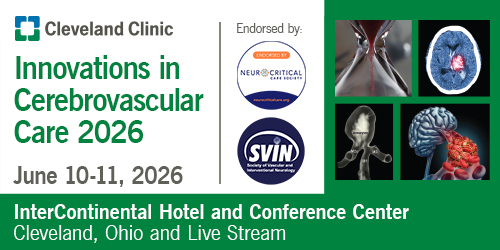
The field of cerebrovascular care is evolving rapidly, with new advancements shaping the way we diagnose, treat, and manage complex conditions. The Cleveland Clinic Innovations in Cerebrovascular Care 2026 meeting will highlight the latest clinical breakthroughs and technological innovations while fostering multidisciplinary discussions on some of the most pressing challenges in patient care. Designed for practitioners across neurosciences and related specialties, this meeting provides a platform to explore cutting-edge strategies and collaborate on improving outcomes for patients with cerebrovascular conditions. Join us as we explore the future of cerebrovascular care.
Who Should Attend?
This educational activity is intended for emergency medicine physicians, fellows, neurointensivists, neurointerventionalists, neurologists, neuroradiologists, neurosurgeons, nurse practitioners, nurses, physician assistants, primary care physicians, and residents who treat cerebrovascular patients.
Learning Objectives
After completing this educational activity, participants will be able to do the following:
- Evaluate recent global advancements in cerebrovascular care and assess how these innovations can be translated into improved patient outcomes.
- Explain the progression and latest developments in cerebrovascular devices and analyze their implications for clinical decision-making.
- Examine emerging evidence on the brain-heart axis with emphasis on its relevance to cardiac imaging, anticoagulation strategies, and stroke risk stratification.
- Review current management approaches for carotid artery disease and determine optimal treatment strategies in view of recent new scientific data.
- Synthesize recent research on novel cerebrovascular therapies and consider their potential impact on future clinical practice.
- Critically assess evidence supporting novel stroke treatment strategies (including factor XI inhibitors and hormone replacement therapy), the relevance of disparities in stroke care, and evaluate the role of brain health in stroke risk.
- Describe key advances in artificial intelligence applications for cerebrovascular care and evaluate their potential integration into routine clinical workflows.
+ Topics:
Wednesday, June 10 All times in Eastern Time |
|||||||||||||||||||||||||||||||
|
7:15 AM
|
Registration/Continental Breakfast/Exhibits | ||||||||||||||||||||||||||||||
|
7:50 AM
|
Welcome and Introduction Gabor Toth | ||||||||||||||||||||||||||||||
|
|||||||||||||||||||||||||||||||
Session II: The Latest in Carotid Disease Management Moderators: Peter Rassmussen, Nicole Smith |
|||||||||||||||||||||||||||||||
|
1:20 PM
|
The Changing Landscape of Carotid Artery Management: Overview of CREST 2 and Recent Landmark Carotid Trial Results Mohammad Ahmad | ||||||||||||||||||||||||||||||
|
1:30 PM
|
DEBATE: Asymptomatic Carotid Disease — Three Perspectives
|
||||||||||||||||||||||||||||||
|
2:05 PM
|
Carotid Disease and Cognition Hyeyoung Seol | ||||||||||||||||||||||||||||||
|
2:20 PM
|
Panel Discussion: Interesting Asymptomatic and Symptomatic Carotid Cases Session Faculty | ||||||||||||||||||||||||||||||
|
3:00 PM
|
BREAK/EXHIBITS | ||||||||||||||||||||||||||||||
Session III: The Future is Here – Novel Devices Moderators: Tina Resser, Gabor Toth |
|||||||||||||||||||||||||||||||
|
3:20 PM
|
Sci-fi or Stroke Treatment: Spinner Thrombectomy, Ultrasound Clot Lysis, Magnetic Navigation and Others Gabor Toth | ||||||||||||||||||||||||||||||
|
3:30 PM
|
New Carotid Stent Designs Ali Khalifeh | ||||||||||||||||||||||||||||||
|
3:40 PM
|
Neurointervention in the CSF Space – Stenting of Cerebral Aqueduct Michal Obrzut | ||||||||||||||||||||||||||||||
|
3:50 PM
|
Is E-Shunt the Future of CSF Drainage? Mohammad Abdulrazzak | ||||||||||||||||||||||||||||||
|
4:00 PM
|
Panel Discussion Session Faculty | ||||||||||||||||||||||||||||||
|
4:15 PM
|
Break | ||||||||||||||||||||||||||||||
|
4:45 PM
|
Non CME Session: Endovascular Subdural Hematoma Drainage Luis Savastano | ||||||||||||||||||||||||||||||
|
5:00 PM
|
ADJOURN | ||||||||||||||||||||||||||||||
|
5:00 PM
|
Welcome Rececption | ||||||||||||||||||||||||||||||


Reviews
There are no reviews yet.