Description
+ Include: videos, size: GB
+ Target Audience: Clinical Cardiac Electrophysiologists, Cardiologists, Cardiac Surgeons, Sleep Medicine Specialists, Geneticists, Psychiatrists, Neurologists, and Primary Care Physicians
+ Sample video: contact me for sample video
+ Information:
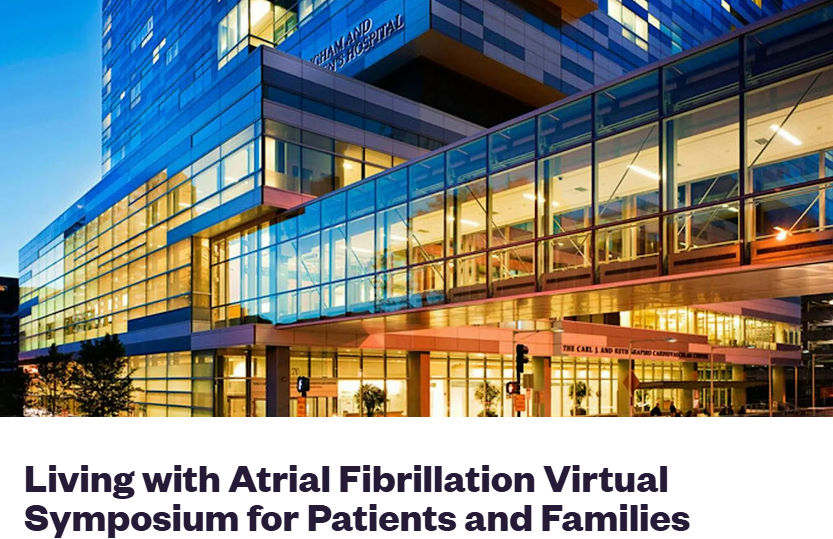
The Brigham and Women’s Hospital Living with Atrial Fibrillation Virtual Symposium for Patients and Families is an educational program presented by leading electrophysiologists, cardiologists, and cardiac specialists. Atrial fibrillation (AFib) is the most common cardiac arrhythmia, significantly impacting quality of life and elevating the risk of stroke and heart failure. This patient- and family-centered symposium is designed to demystify AFib by providing clear, evidence-based insights into its underlying genetics, epidemiology, and pathophysiology. The program covers the entire continuum of modern AFib management, including rate and rhythm control pharmacotherapy, anticoagulation updates, catheter and hybrid ablation modalities (such as radiofrequency and pulsed field ablation), stroke risk reduction devices (left atrial appendage closure), wearable digital surveillance, lifestyle modifications, obstructive sleep apnea management, and strategies to address the psychological burden of living with a chronic arrhythmia.
Learning Objectives
Upon completion of this activity, participants will be able to:
-
Describe the mechanisms, risk factors, genetics, and clinical presentations of atrial fibrillation, distinguishing between paroxysmal, persistent, and refractory AFib.
-
Understand pharmacological treatment strategies for atrial fibrillation, including medications used for rate control, rhythm maintenance, and systemic anticoagulation.
-
Compare catheter-based and surgical interventional options, including radiofrequency ablation, cryoballoon ablation, pulsed field ablation (PFA), and hybrid ablation techniques.
-
Identify non-pharmacological stroke prevention strategies, including left atrial appendage occlusion devices.
-
Evaluate the role of lifestyle interventions, management of co-existing obstructive sleep apnea, and the use of wearable digital cardiac monitors in long-term rhythm surveillance.
-
Recognize and address the psychological impact, anxiety, and emotional challenges associated with living with atrial fibrillation.
Target Audience
This symposium is intended for patients living with atrial fibrillation, their families, caregivers, and healthcare professionals interested in patient education, arrhythmia management, and cardiovascular wellness.
Best for Clinical Cardiac Electrophysiologists, Cardiologists, Cardiac Surgeons, Sleep Medicine Specialists, Geneticists, Psychiatrists, Neurologists, and Primary Care Physicians.
Topics
-
What is Atrial Fibrillation
-
What have we learned from studying the genetics of atrial fibrillation
-
Atrial Fibrillation Epidemiology and Lifestyle Modification – What is the evidence
-
Medications for Rate Control
-
Medications for Heart Rate and Rhythm Control
-
2025 Anticoagulation Update
-
Non-Pharmacologic Strategies to Reduce Stroke Risk in AF
-
Pulmonary Vein Isolation and Treatment of Paroxysmal AF
-
Catheter Ablation for Atrial Fibrillation, Part Deux – Persistent Atrial Fibrillation
-
New Ablation Strategies – Pulsed Field Ablation
-
A New Pulse on AFib Care – Comparing RF and PFA
-
Hybrid Ablation for Treatment of Refractory Atrial Fibrillation
-
Digital Care – Wearable Monitors for Atrial Fibrillation Surveillance
-
Understanding the Intersection: Obstructive Sleep Apnea & Atrial Fibrillation
-
Managing the Psychological Consequences of Atrial Fibrillation
-
Faculty Q&A Sessions (Block 1, Block 2, Block 3, and Block 4)


Reviews
There are no reviews yet.