Description
+ Include: videos + file sub vtt + pdf, size: GB
+ Target Audience: Neuro-Oncologists, Neurologists, Neurosurgeons, Neuropathologists, Neuroradiologists, Medical Oncologists, and Epileptologists
+ Sample video: contact me for sample video
+ Information:
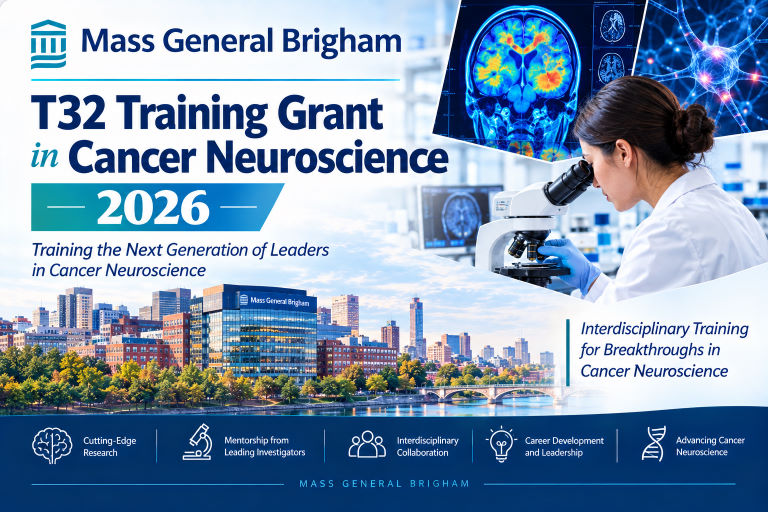
The Mass General Brigham T32 Training Grant in Cancer Neuroscience program represents an innovative, cross-disciplinary educational initiative at the convergence of neuroscience, neuro-oncology, and tumor biology. Emerging evidence demonstrates that the nervous system plays an active, instructive role in cancer initiation, progression, and therapeutic resistance, particularly within primary brain tumors and systemic malignancies with neural tropism. This advanced curriculum provides a rigorous translational bridge between fundamental neuroscience discoveries and precision neuro-oncology clinical care. Through lectures from leading physician-scientists, the course delves into advanced lesion network mapping, neural circuit-tumor interactions, high-grade glioma-associated epileptogenesis, microglial phenotypic heterogeneity, molecular integrity of the blood-brain barrier, single-cell and spatial transcriptomic dissection of the tumor microenvironment, and cutting-edge metabolic imaging platforms including mass spectrometry imaging.
Learning Objectives
-
Evaluate the principles of lesion network mapping and apply connectomic frameworks to map tumor locations, neurological deficits, prognostic brain circuits, and seizure susceptibility in patients with high-grade gliomas.
-
Describe the biological mechanisms by which active neurons and neural circuits drive carcinogenesis, tumor proliferation, and microenvironmental remodeling in neuro-oncology.
-
Characterize microglial activation states, immunophenotypic diversity, and functional transitions across normal neurophysiology and malignant tumor microenvironments.
-
Examine the cellular and molecular mechanisms regulating the integrity, permeability, and dysfunction of the blood-brain barrier (BBB) and their implications for targeted drug delivery.
-
Integrate single-cell genomics, spatial transcriptomics, and computational multi-omics to dissect cellular heterogeneity and the complex microenvironmental ecosystem of gliomas.
-
Implement novel in-vivo metabolic imaging modalities and advanced mass spectrometry imaging (MSI) tools to enable high-resolution metabolic profiling and precision therapeutic stratification in brain tumors.
Target Audience
This training course is designed for neuro-oncologists, medical oncologists, neurologists, neurosurgeons, neuropathologists, neuro-radiologists, postdoctoral research fellows, clinical residents, translational neuroscientists, and allied oncology investigators seeking advanced training in cancer neuroscience and neural-tumor interactions.
Best for Neuro-Oncologists, Neurologists, Neurosurgeons, Neuropathologists, Neuroradiologists, Medical Oncologists, and Epileptologists.
Topics
-
Module 01: Connectomics, Network Mapping & Clinical Translation in Neuro-Oncology
-
-
Lesion Network Mapping Intro: Relevance to Neuro-Oncology
-
-
-
Tumor Locations and Seizures
-
-
-
Defining Prognostic Human Brain Networks for High-Grade Glioma
-
-
-
Module 02: Cellular & Molecular Neuro-Immune Mechanisms in Carcinogenesis
-
-
Neurons in Carcinogenesis
-
-
-
Mapping Microglia States to Function in Health and Disease
-
-
-
The Molecular Mechanisms Governing the Blood-Brain Barrier
-
-
-
Module 03: High-Resolution Spatial Biology & Glioma Microenvironment
-
-
Basic Principles of Single Cell and Spatial Genomic Profiling
-
-
-
An Introduction to Spatial Transcriptomics
-
-
-
Dissecting the Ecosystem of Gliomas
-
-
-
Module 04: Advanced Metabolic Profiling & Mass Spectrometry in Brain Tumors
-
-
In-Vivo Metabolic Imaging for Precision Neuro-Oncology
-
-
-
Contemporary Metabolic Imaging Tools – Mass Spectrometry Imaging (MSI)
-
-




Reviews
There are no reviews yet.