Description
+ Include: videos + file sub vtt + pdf, size: GB
+ Target Audience: psychiatrists, psychologists, and psychotherapists
+ Sample video: contact me for sample video
+ Information:
1. Overview
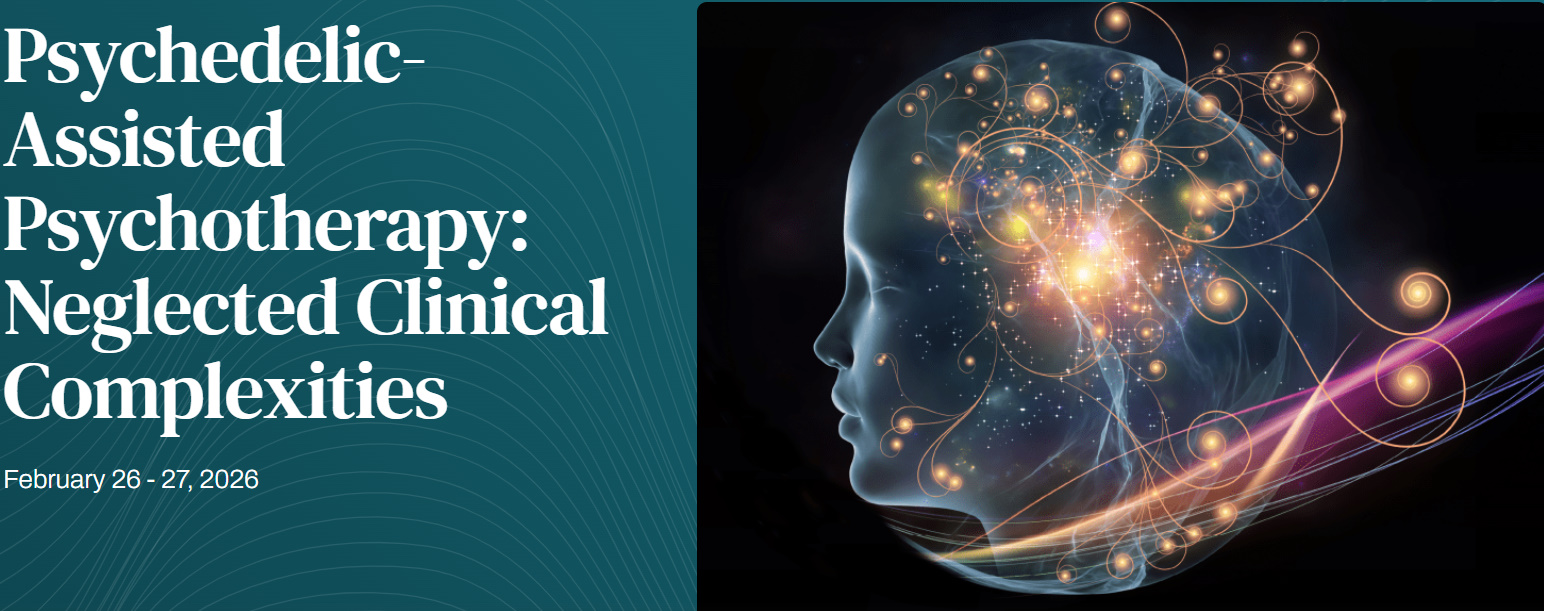
Clinicians encounter a wide range of complex clinical challenges in psychedelic-assisted psychotherapy (PAP). While many of these arise in other forms of treatment, longer sessions with dramatically lowered defenses and the frequent arising of transpersonal, spiritual, and other novel experiences require clinicians to broaden their skillsets and relational capacities.
In addition to providing an update to progress in the field, our 5th conference will explore a wide range of these challenges, including potential adverse effects of PAP, how to identify and work with our own metaphysical assumptions, and how to understand and respond to novel experiences.
The program will include multiple case studies and clinical vignettes designed to illuminate the nuances of PAP for both newcomers and veteran therapists alike. If you would like to join the exploration and gain confidence in addressing these and other often neglected facets of the work, please join us in February 2026, either in person or online. We look forward to meeting you or seeing you again!
Course Date: February 26 – 27, 2026
2. Learning Objectives
- Articulate the basic structure and core principles of psychedelic-assisted psychotherapy (PAP).
- List the most commonly used medicines in PAP and their current applications.
- Review the current evidence base for the efficacy of PAP for various conditions.
- Explain how clinicians can improve the patient experience by fully exploring the emotions of grief and awe in PAP sessions.
- Summarize common metaphysical interpretations of the PAP experience, and techniques to respectfully acknowledge these in client sessions.
- Identify opportunities to effectively integrate spiritual, existential, religious, and theological domains in PAP.
- Describe Western vs. Indigenous approaches to understanding and working with non-ordinary states of consciousness.
- List several potential harms that can occur with PAP, and how therapists can minimize them.
- Discuss benefits and challenges of working within a multidisciplinary PAP team.
- Name categories of somatic experiences common in PAP.
- Describe the foundations and aspects of the non-directive approach as a framework for working with participants through psilocybin sessions, and pragmatic advantages of this approach when working with OCD.
- Articulate effective ways that clinicians can address neglected complexities of the clinical encounter in PAP.
3. Target Audience
Best for psychiatrists, psychologists, and psychotherapists who want updates on clinical challenges and ethical nuances in psychedelic therapies.
Who Should Participate
Specialty Physicians, Primary Care Physicians, Social workers, Counselors, Psychologists, Nurses, and Others
4. Topics
Day 1 – Thursday, February 26, 2026
Key sessions include:
-
Back to Basics: The Method and the Medicines of PAP
-
Clinical Outcomes of Psychedelic Therapy
-
Neglected Considerations for Set & Settings
-
Somatic Experiences in Psychedelic Therapy
-
Religious and Spiritual Perspectives in PAP
-
Panel discussions and case-based learning
Day 2 – Friday, February 27, 2026
Highlights include:
-
Western vs Indigenous Approaches to Psychedelic Experiences
-
Ego Dissolution Case Studies
-
Managing Difficult or Adverse Psychedelic Experiences
-
Psychedelic-Boosted Behavioral Therapy for OCD
-
Interdisciplinary Collaboration in PAP
-
Clinical Complexities in Psychedelic Therapy


Reviews
There are no reviews yet.