Description
+ Include: 15 videos + 15 file sub vtt + 16 pdfs, size: 7.04 GB
+ Target Audience: addiction specialists and primary care physicians
+ Sample video: contact me for sample video
+ Information:
1. Overview
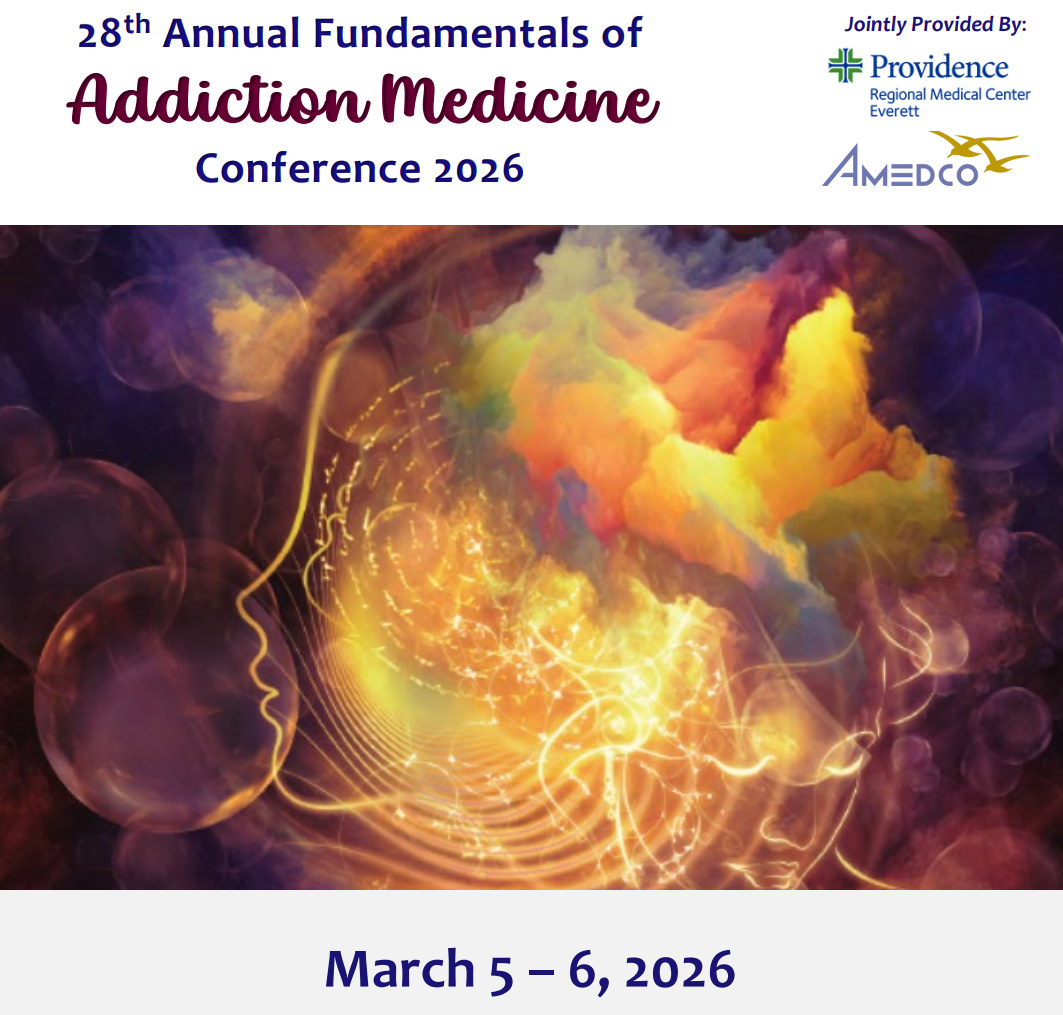
The Providence Regional Medical Center Everett 28th Annual Fundamentals of Addiction Medicine 2026 course provides a comprehensive update on the evolving landscape of substance use disorders. The program covers emerging drug trends, pharmacological interventions including buprenorphine and methadone, harm reduction strategies, and behavioral approaches designed to support long-term patient recovery.
Course Date: March 5 – 6, 2026
The 28th Annual Fundamentals of Addiction Medicine Conference also brings together professionals from across the addiction treatment landscape—including behavioral health specialists, social workers, nurses, community partners, and system‑level leaders—to share best practices and advance coordinated, evidence‑based care for individuals with substance use disorders. This event continues to serve as the Pacific Northwest’s primary forum for stre
2. Learning Objectives
-
Evaluate current drug supply trends, including the impact of fentanyl and emerging concerns with nitrous oxide misuse.
-
Implement evidence-based pharmacological interventions for addiction, such as rapid methadone titration and modern buprenorphine initiation.
-
Apply mindfulness-based skills and post-traumatic growth strategies to enhance relapse prevention, resilience, and treatment engagement.
-
Address specialized clinical scenarios, including identifying addiction in healthcare professionals and managing co-occurring conditions like Hepatitis C.
-
Assess the role of technology in process addictions among adolescents and integrate harm reduction principles into routine clinical practice.
3. Target Audience
Best for addiction specialists and primary care providers who want updates on substance use treatment, harm reduction, and recovery skills.
This activity is targeted toward healthcare professionals who strive to provide prevention, evaluation and/or assessment and change agents as well as diagnose, treat and manage patients with addiction-related health conditions in a primary care and/or mental health setting. It is particularly relevant for the following disciplines: physicians, advanced practice nurses, physician assistants, medical directors, nursing, nursing leadership, administrators, counselors, social workers and those engaged with patients that may have addiction disorders in hospitals, medical centers, behavioral health offices and
residential care facilities.
4. Topics
-
01 And this is Legal
-
02 Hiding in Plain Sight Identifying & Addressing Addiction in Healthcare Professionals
-
03 Silent Virus, Loud Crisis – Hepatitis C in the Shadow of Addiction
-
04 Mindfulness-Based Skills for Craving, Relapse Prevention & Treatment Engagement
-
05 Washington State Drug Supply – Enforcement Update & Drug Trends
-
06 Beyond the Wah Wahs – New Concerns with Nitrous Oxide Misuse
-
07 A Woman’s Journey to Recovery
-
08 The Past, Present & Future of Addiction
-
09 Harm Reduction for Health & Human Rights
-
10 You’ve Identified a Substance Use Disorder. Now What
-
11 Building a Recovery Skillset – Post-Traumatic Growth & Resilience
-
12 Medications for Addiction – How Do They Work, Exactly
-
13 Evolving Models of Methadone Care Across Washington State & Rapid Titration in a Hospital
-
14 Demystifying Buprenorphine Initiation – Updates in Oral & Injectable Buprenorphine in the Fentanyl Era
-
15 What are Young People Doing Online The Role of Technology on Process Addiction in Teens & Young Adults



Reviews
There are no reviews yet.